

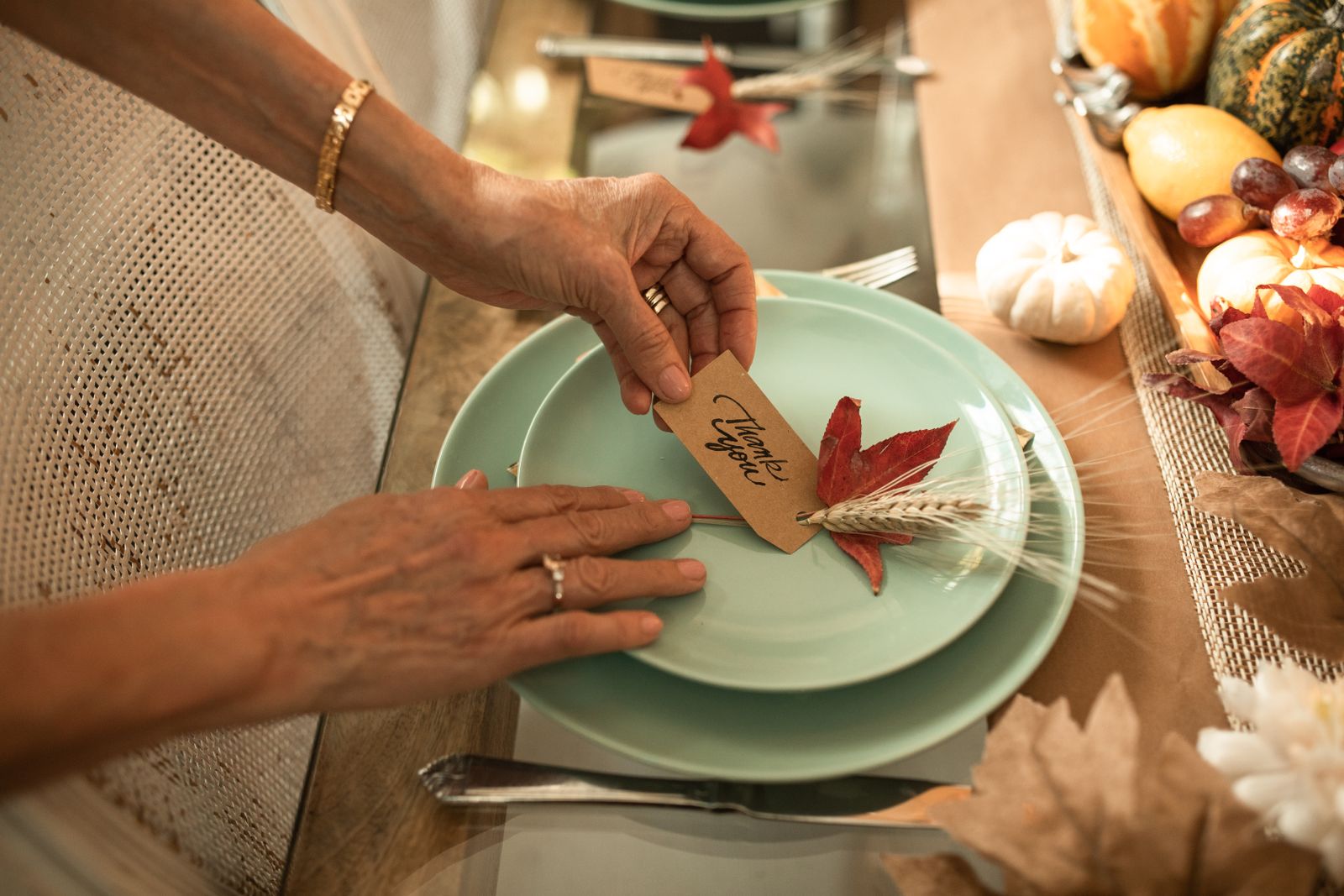
A beautiful table has a practical job to do. People need somewhere comfortable to sit, room for their glasses and an easy view of one another. Begin there, and decorative decisions become more useful. Linen, ceramics and flowers can bring character to the meal, but the arrangement should also welcome a serving dish, a second helping and the relaxed movement of an evening spent together.
Build the setting around the meal
Decide how you will serve the food before choosing a centerpiece. Shared platters need clear space through the middle of the table. A plated meal leaves more room for objects, although bread, water and condiments still need a home. If the table is small, use a nearby surface for extra dishes and clear it in advance rather than improvising around guests.
Set out the chairs and test the arrangement from a seated position. Can someone reach their glass easily? Does the napkin have a natural place? Is there enough room to move a fork without feeling squeezed? Remove an extra decorative layer if it gets in the way. Comfort should remain visible in the finished design.
Choose a simple visual starting point
Begin with something you already own and like: a patterned plate, a cloth with a good texture or colored glassware. Let one or two other elements respond to it. For example, plain napkins can pick up a color in a plate, while a small arrangement of foliage echoes its softer tones. You do not need to match every object.
Consider texture alongside color. Smooth glazed ceramics, washed linen and a wooden tabletop can sit comfortably together even in a restrained palette. If you prefer a more expressive setting, give one element the strongest pattern and let the others support it. Lay out a single place setting first so you can adjust the balance before repeating it.
Use the pieces that make the meal easier
Put out the cutlery and glasses that will actually be used. A simple meal does not require a display of every setting in the cupboard. If another utensil is needed for a later course, you can bring it then. Check that glasses feel stable on the surface and that any placemat sits flat beneath the plate.
Mixed tableware can look considered when there is a visible connection, such as a shared color, shape or material. Try the pieces together rather than assuming a complete matching set is necessary. Check each item for condition and suitability for the food being served. Well-loved objects are appealing when they are also pleasant and practical to use.
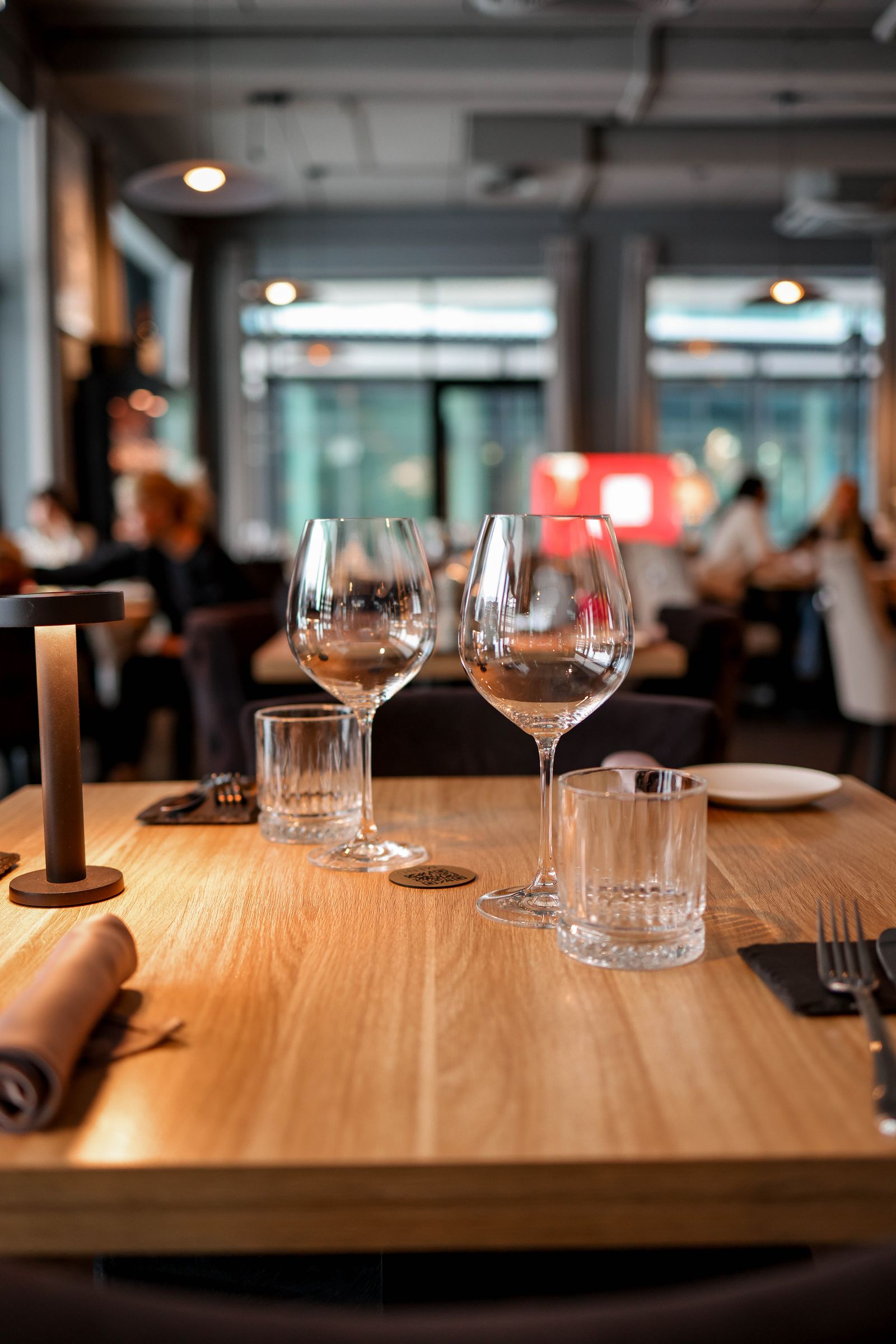
Keep the middle of the table open
Use low flowers or a small grouping of objects that lets people see across the table. Sit down to check the view from more than one chair. Strongly scented decorations may compete with the meal, so keep the arrangement simple. If you want candle-like light without managing flames, battery-operated options can be part of the setting.
Test the room lighting with the table laid. You should be able to see the food and the faces around you comfortably. A photograph may reward a darker, more dramatic scene than your guests would enjoy for an entire meal. Adjust the actual room rather than styling only the angle from which the table looks most impressive.
Add one detail that belongs to the occasion
A handwritten place card, a sprig from the garden or a serving bowl with personal meaning can give the table character. Choose a detail you enjoy preparing, then stop before decoration becomes another demanding task. Leave a little clear space and have the necessary serving pieces ready. When everyone sits down, the table should feel ready to be used, with its beauty continuing through the meal rather than disappearing at the first moved plate.
Featured image: Preparing an autumn place setting. Photo: RDNE Stock project / Pexels.