

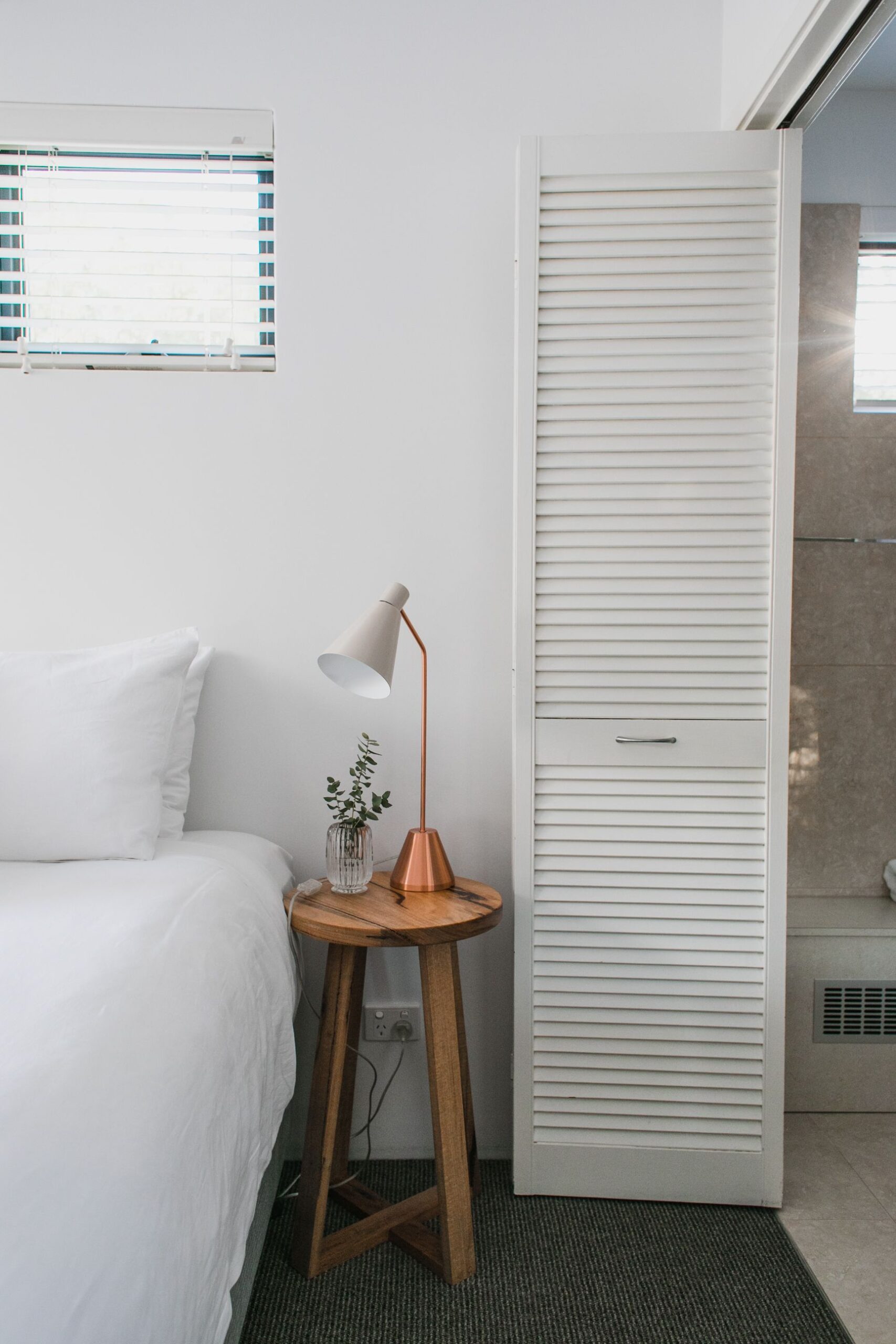
The most useful detail in a guest room may be the one that saves someone from asking a question in the middle of the night. Where is the light switch? Is there another blanket? Which towel should they use? Good hosting anticipates these small uncertainties and leaves visitors free to settle in.
This approach works whether you have a spare bedroom, a sofa bed or a carefully arranged corner of a shared home. Start with what your guest will need to do, then make those things straightforward. A welcoming room can be simple, personal and unmistakably part of your everyday life.
Begin before arrival
Confirm arrival and departure plans, the sleeping arrangement and any practical needs that would help your guest feel comfortable. Be clear if the bathroom is shared, there are stairs to reach the room or someone will need to use the space during the day. Let visitors tell you what matters to them rather than guessing.
Ask about breakfast preferences and dietary requirements before buying supplies. If there are pets, mention them in advance. Share the easiest way to reach you on arrival and any instructions needed to find the entrance. A clear welcome begins before the door opens.
Walk through the room as a visitor
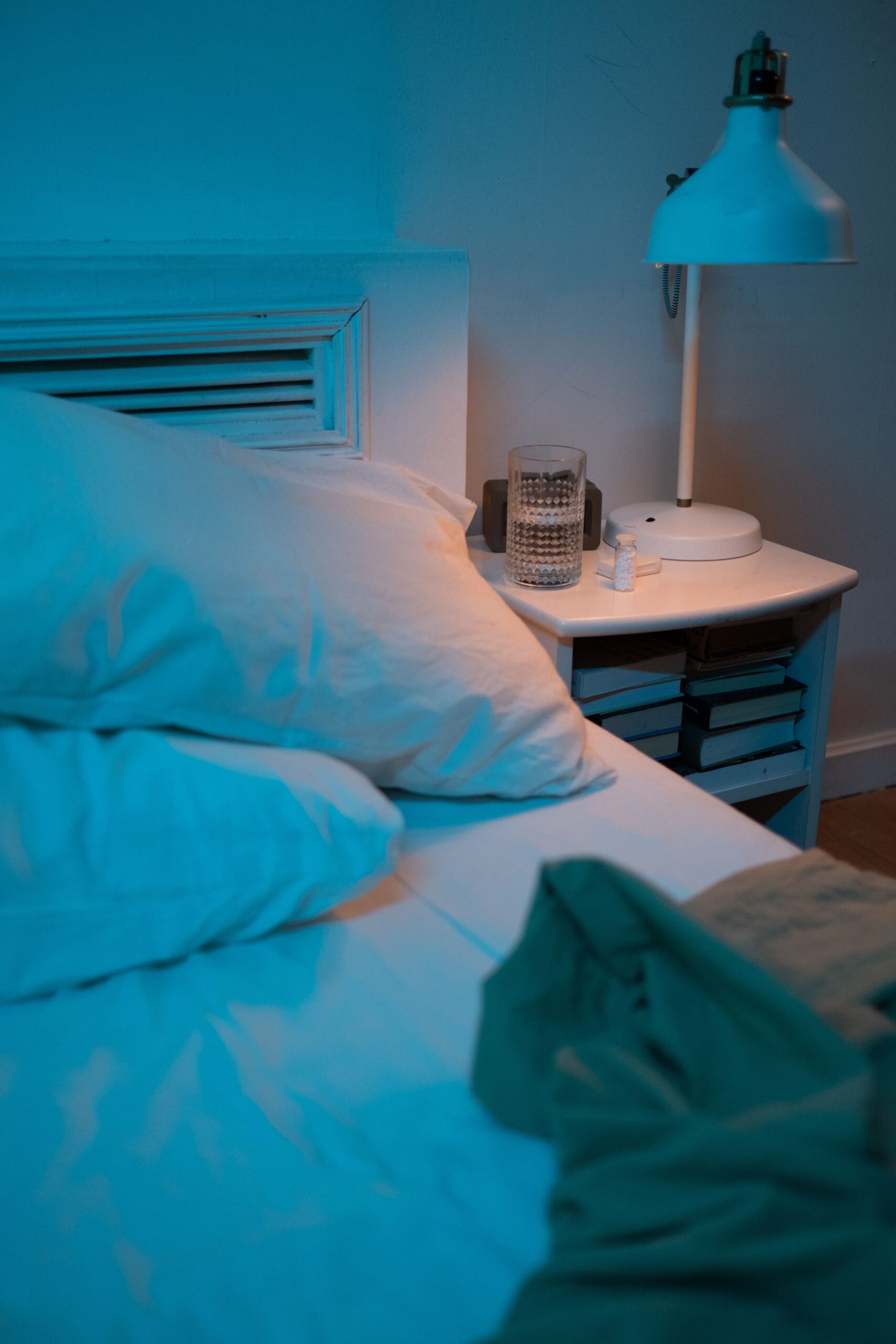
Make the bed, then lie down briefly to check what is within reach. Put a light, water and a clear surface beside the sleeping area. Test the lamp rather than assuming it works. Provide an extra blanket where it can be found, along with a practical place for clothing and luggage.
Clear some storage and offer a few empty hangers. A guest should not have to balance a bag on the bed every time they need a clean shirt. If space is limited, an uncluttered chair or a cleared shelf is useful. Remove fragile objects from the places someone will naturally use.
Make a charging socket accessible without requiring furniture to be moved. Keep walking routes clear, particularly between the sleeping area and bathroom. Check that curtains or blinds are straightforward to operate. Small inconveniences become harder to solve when someone is tired and reluctant to disturb you.
Show the everyday essentials
Put out clean towels and indicate where they can be hung afterwards. Leave space in the bathroom for a washbag, and make spare toilet paper easy to find. Soap is more useful than an elaborate collection of miniature products. Avoid strongly scented extras unless you know your guest enjoys them.
During a short tour, show how the shower works and explain any household quirks. Point out drinking water, tea and coffee, and tell guests what they are welcome to help themselves to. If you share Wi-Fi access, provide the details clearly. There is no need to turn the welcome into a lecture; cover the essentials and leave room for questions.
Agree on the morning
Tell your guest when you usually get up and whether you have work or other commitments. Offer a simple breakfast plan that accommodates different waking times. Setting out cups and showing where the bread lives can be kinder than requiring everyone to appear for a formal meal at one precise hour.
Make room for privacy during the visit. An invitation to stay does not require continuous conversation or a fully scheduled weekend. Suggest a shared meal or outing, then allow some time apart. Guests may want to read, call home or take a walk without feeling they are rejecting your hospitality.
Before departure, explain what would genuinely help with bedding or towels, or simply ask visitors to leave them where they are. Clear expectations remove guesswork on both sides. The room has served its purpose when your guest can rest, find what they need and participate in the household without feeling they must earn their welcome.
Featured photo: Rachel Claire / Pexels.