


A good host gift arrives lightly. It can be carried in one hand, understood without explanation, and enjoyed when the host chooses. It acknowledges the invitation without adding another task to the evening. That last quality deserves more attention than the price tag.
As holiday visits approach, consider the gift from the other side of the door. Dinner may be almost ready. Coats need a place to land. Someone is looking for a serving spoon. In that moment, a thoughtful gesture should make the welcome easier.
Begin with what the host enjoys
Choose from something you actually know about the person. A keen reader may appreciate a slim book connected to a recent conversation. Someone who makes tea each afternoon might enjoy a familiar favorite. A breakfast treat can be especially considerate for a host whose energy is focused on tonight’s meal.
Resist building a gift around an identity you have assigned them. A beautiful home does not necessarily need another decorative object. An enthusiastic cook may already have strong preferences about equipment. The useful question is whether this particular person would enjoy owning, using, or consuming what you are bringing.
Keep the evening’s menu intact
An invitation to dinner and a request to contribute a dish are different arrangements. If the host asks for nothing, avoid arriving with a course that requires oven space, refrigeration, plating, or a place in an already planned menu. Offer a contribution in advance, then respect the answer.
When giving food, choose something clearly labeled and suitable for preferences or restrictions you know. Leave the host free to save it. A bottle should carry the same freedom. Alcohol is a sensible gift only when you know it is welcome, and its arrival should not imply that it must be opened immediately.
Make flowers easy to receive
Flowers can be lovely, but an unarranged bouquet creates a small assignment at the busiest moment. A modest arrangement in a simple vessel is easier to set down. Consider available space and any known sensitivities. An enormous centerpiece may compete with the table the host has already prepared.
For a close friend, flowers sent another day can be an equally thoughtful choice. Ask before arranging a delivery if you do not know whether someone will be home. The pleasure lies in receiving them comfortably, rather than managing a missed parcel or finding room for an unexpected display.
Let the relationship set the scale
A lavish gift can introduce a sense of obligation into a casual supper. Keep the scale comfortable for the relationship and the occasion. A small, well-chosen item with a short handwritten note often feels more personal than an elaborate hamper assembled without regard to the recipient.
House visits may call for a different approach. For an overnight stay, ask ahead about practical contributions and household routines. Offer to cover a shared outing or bring breakfast if that would be helpful. Avoid treating the gift as payment for hospitality. Your consideration during the visit still matters.
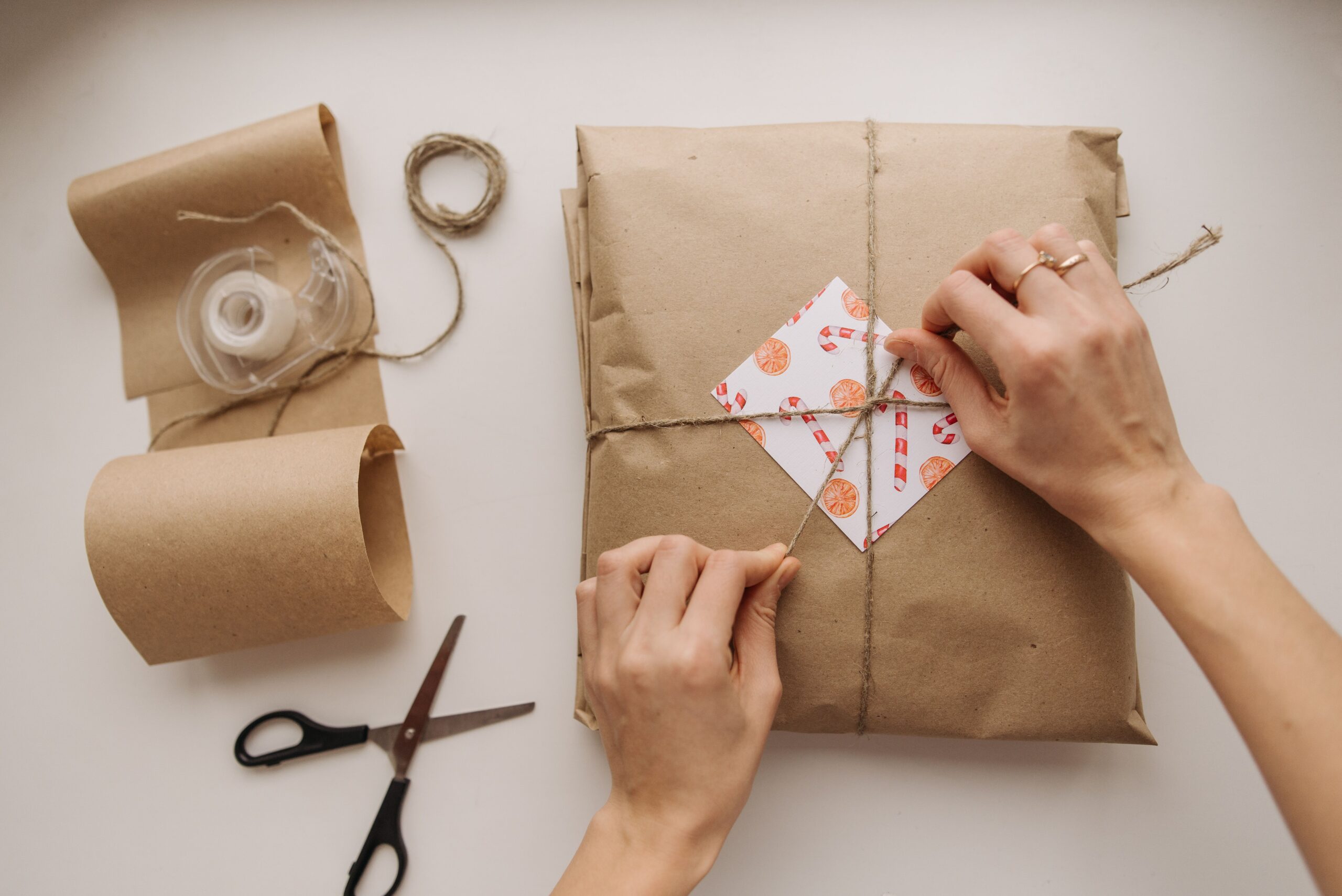
Deliver the thanks as well as the gift
Hand the present over without a long account of its cost, rarity, or difficulty to obtain. Give the host permission to open it later. If you have brought something to eat or drink, make clear that it is for their enjoyment whenever convenient.
Then be an easy guest. Arrive at the agreed time, communicate delays, follow the household’s lead, and offer specific help without insisting. The next day, send a brief message mentioning something you genuinely appreciated. A gift cannot replace attention, and attention does not require a purchase. What stays with a host is often the feeling that their effort was seen.