


A beautiful gift can begin with a very ordinary observation: the cup someone always reaches for, a book they linger over, the evening they keep wishing they had free. Paying attention gives a present its direction. Before opening another gift guide, picture the recipient using what you are considering on a normal day. Where would it live? When would they enjoy it? Those questions bring the person back into focus.
Notice what already matters
Start with something the person has actually said or chosen. A friend who enjoys cooking may appreciate a particular ingredient they have been curious about. Someone who writes by hand may welcome a refill for a pen they already love. The useful clue is specific interest. A broad label such as foodie, traveler or design lover leaves too much room for assumptions.
Keep a short list of these observations as they arise. Record the title, size or maker when it matters, rather than trusting a hazy memory. Asking a direct question can be equally thoughtful. For a personal item, an expensive purchase or something requiring precise fit, an agreed choice may bring more pleasure than a surprise that creates work.
Choose a comfortable scale
Set a spending limit before shopping and let it guide the search. Within families or groups of friends, suggesting a shared range can remove an awkward guessing game. Offer the idea lightly and make room for different circumstances. The recipient should not have to calculate whether your generosity now requires an equally substantial response.
A smaller gift can still be considered in its materials and finish. Look closely at the stitching on a pouch, the feel of a notebook's paper or the comfort of a mug's handle. These details have a place in everyday use. Buying the most expensive version of an object adds little if the recipient prefers a simpler one.
Account for the life around the gift
An object arrives with practical demands. A large vase needs storage. Delicate clothing needs particular care. A specialized kitchen tool asks for counter space and interest. Before purchasing, consider whether those demands suit the recipient's home and routines. Consumable gifts can be appealing when you know their tastes and have checked relevant dietary preferences directly.
Experiences deserve the same attention. A workshop or concert may be delightful, but a fixed date can turn a generous idea into a calendar problem. Discuss availability before committing, or choose an arrangement that allows the recipient to select the date. Check the provider's current booking and change conditions rather than assuming a voucher means complete flexibility.
Leave room for the recipient's choice
Where exchanges are available, include the information discreetly. For a color, fragrance or style that is difficult to judge, make changing it feel unremarkable. Avoid asking for a photograph of the gift in use or repeated reports on how much it is loved. Giving someone freedom over the object is part of giving it to them.
Personalization also benefits from restraint. Initials or an inscription can be lovely when you know they will be welcome, but they may limit exchanges or make the object harder to pass on. A separate handwritten note often carries the same warmth while leaving the item itself versatile.
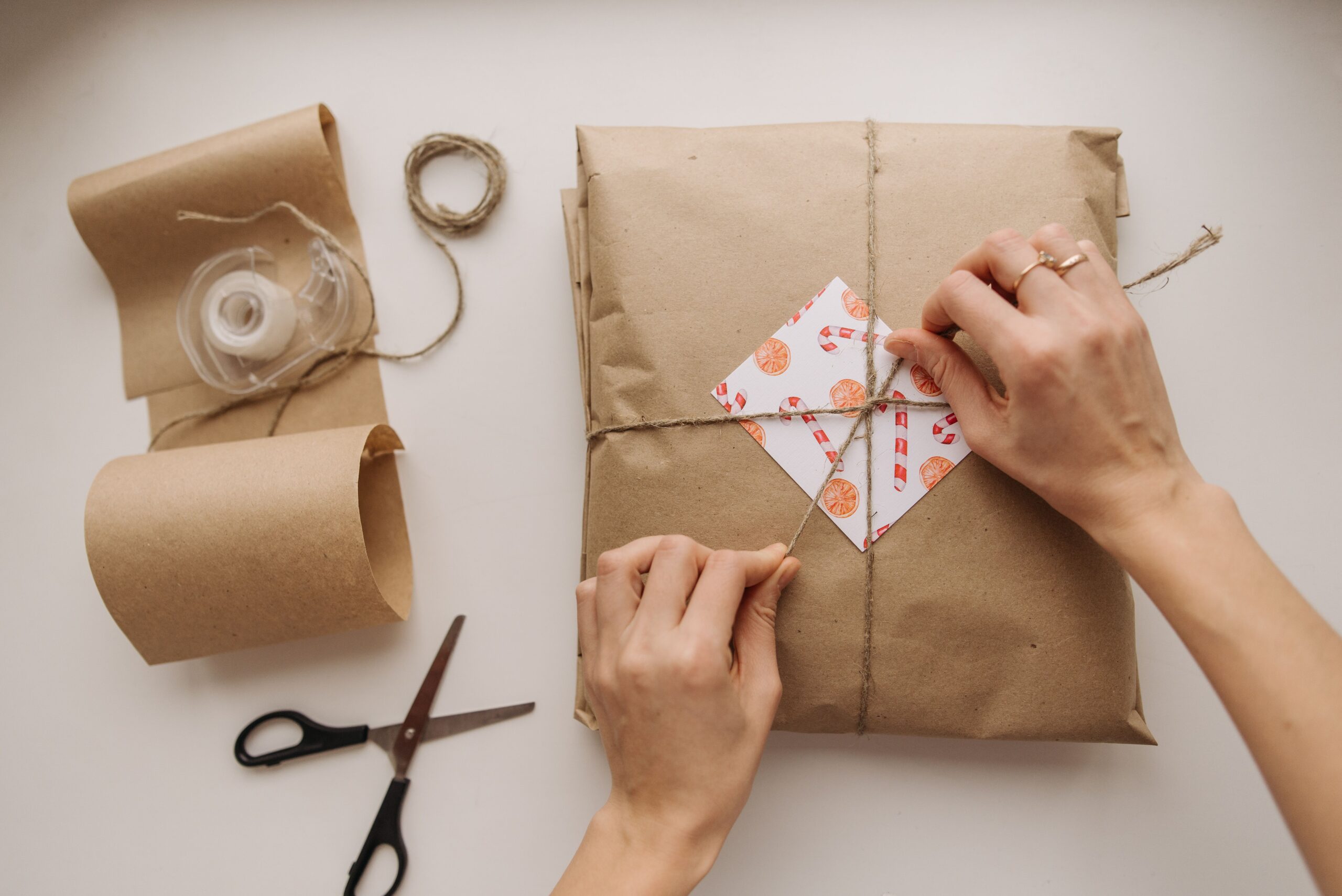
Make the presentation generous and simple
Use wrapping that suits the gift, and add a few honest words about why you chose it. Mention the shared conversation or interest that prompted the idea without explaining the price or the effort involved. Then allow the moment to belong to the recipient. A well-chosen present offers pleasure with very little administration attached, and that ease is a considerate finishing touch.