

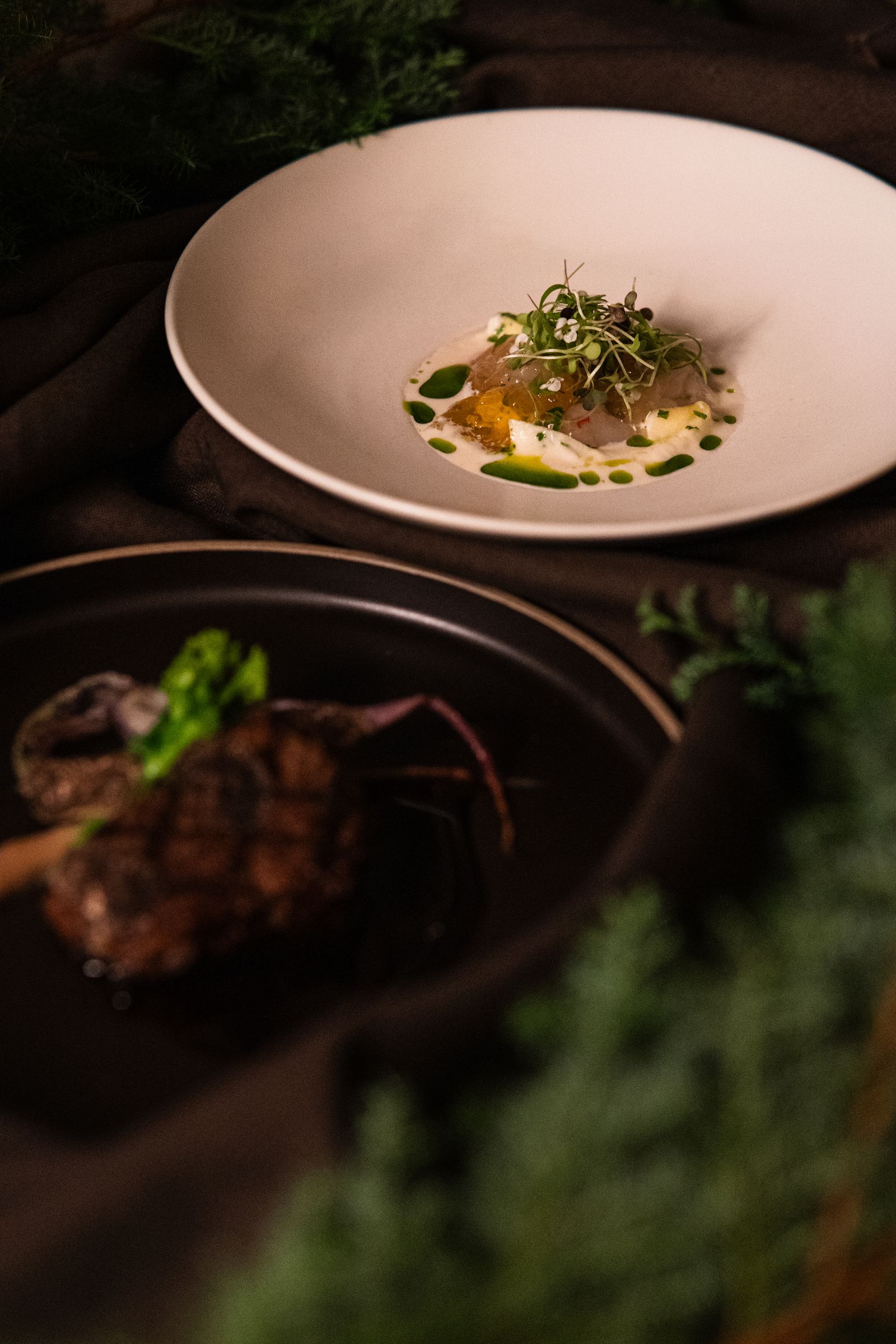
A tasting menu asks you to hand over some of the evening's decisions. The kitchen chooses the sequence, the dining room guides the pace, and unfamiliar ingredients may arrive in unfamiliar forms. That can be part of the pleasure. A little preparation helps you enter the experience comfortably, with enough information to relax and enough curiosity to enjoy what you have not already researched.
Choose the evening as carefully as the restaurant
Read the restaurant's current description of the experience before reserving. Look at the number of courses, the advertised price and any stated seating duration. Establish what is included and what is optional, including drinks and supplements. If an important detail is missing, ask the restaurant directly. A menu photograph from a previous season is useful inspiration but a poor basis for current expectations.
Think about the company and the occasion, too. A lengthy meal with frequent explanations may suit a culinary celebration better than a conversation that needs uninterrupted space. Ask about the likely finish time if you have transport to catch. Keep the rest of the evening light enough that you will not be watching the clock between courses.
Share practical needs before arriving
Tell the restaurant about food allergies and dietary requirements when booking, then obtain a clear response about what the kitchen can accommodate. Do not assume a tasting menu can be rebuilt on arrival. Distinguish a firm requirement from an ingredient you simply dislike so the team understands the request. If the answer leaves you uncertain, resolve that before confirming the reservation.
Mention other practical needs that would affect your visit, such as step-free access or a seating preference, and verify the specific arrangement offered. Check any dress guidance and wear something that feels comfortable for the length of the meal. Feeling at ease in your chair matters more than dressing for an imagined audience.
Let drinks fit your evening
A pairing is one way to follow a menu, but it is a choice worth considering alongside individual glasses, bottles, tea or other non-alcoholic options the restaurant actually offers. Ask about the number of pours, the overall price and whether alternatives are available. You can enjoy the kitchen's work without ordering every accompanying experience.
State your preferences plainly. If you enjoy fresher flavors or would like something less sweet, that gives the team useful direction. There is no need to borrow specialist vocabulary. Budget can be expressed just as simply by asking for recommendations within a stated range. A clear request makes the conversation easier for everyone.
Be curious without turning dinner into an examination
When a dish arrives, listen for the ingredient or preparation the server highlights. Take a moment to notice the aroma, temperature and texture before deciding what you think. You do not need to identify every component or find language worthy of a review. A straightforward reaction is enough, including when something is interesting but not to your taste.
Questions are welcome when asked with attention to the service moment. One specific question about an unfamiliar ingredient can open a good exchange. If you would like a photograph, take it promptly and return to the table. Give your companions space to form their own impressions rather than requiring a verdict after every bite.
Finish at your own pace
If the timing feels uncomfortable, speak to the team early and politely; they can explain what adjustment may be possible. Before leaving, check the bill and ask about anything you do not understand. Keep the menu if the restaurant offers one, perhaps noting a dish you especially enjoyed. The evening can stay with you as a few memorable flavors and a good conversation, without becoming a performance you had to get right.
Featured photograph: Szymon Shields / Pexels. Photographs illustrate the subject; no restaurant visit or review is implied.