
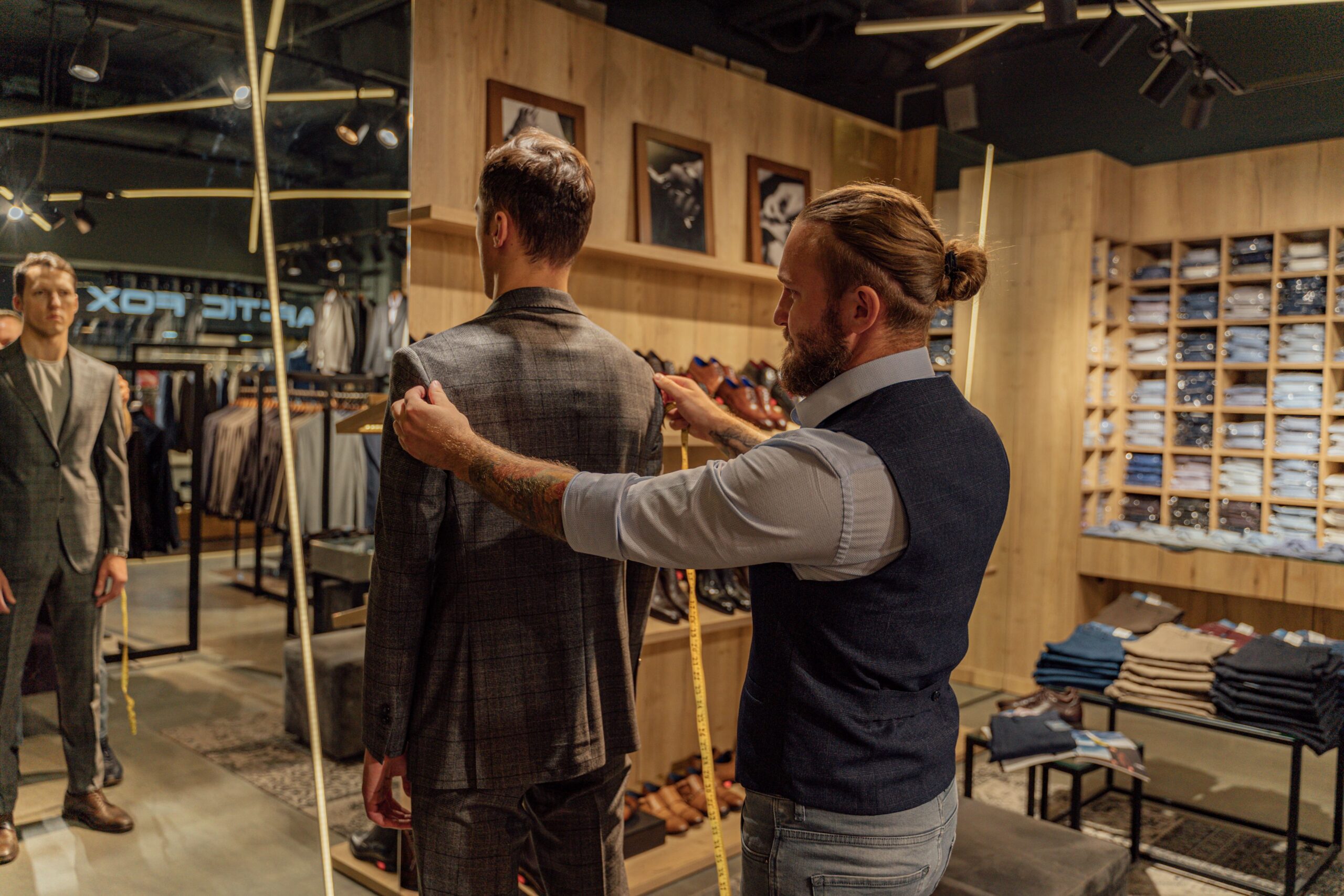
The first useful question to ask a tailor is what you want the garment to do. Perhaps trousers catch under your shoes, a jacket feels awkward when you sit down or a dress looks right from the front but never feels settled. Describe the problem in ordinary language. You do not need to arrive knowing its technical solution.
A good working relationship begins with that conversation. You bring your preferences and the way you live in your clothes. The tailor brings an understanding of construction and what can reasonably be changed. Choosing someone who makes that exchange clear is more useful than choosing by an impressive address alone.
Find the right kind of work
Be specific when asking for recommendations. Someone who produces beautiful trouser hems may not offer the same service as a specialist in bridal alterations, leather or structured jackets. Describe the garment, material and proposed job when contacting a shop. Ask whether they regularly handle comparable pieces and whether a fitting appointment is required.
Keep alterations and commissioning distinct. If you are exploring bespoke clothing, ask how the pattern is created and what fittings are included. The Savile Row Bespoke Association’s process, for example, specifies an individually handmade pattern. That describes its members’ bespoke work; it is not a requirement for finding an excellent local alterations service.
Photographs of finished work can help, but ask to see examples relevant to your needs. A tidy hem, a considered proportion and an explanation of the choices made tell you more about a particular job than a gallery of garments you would never wear.
Use the first fitting as a conversation
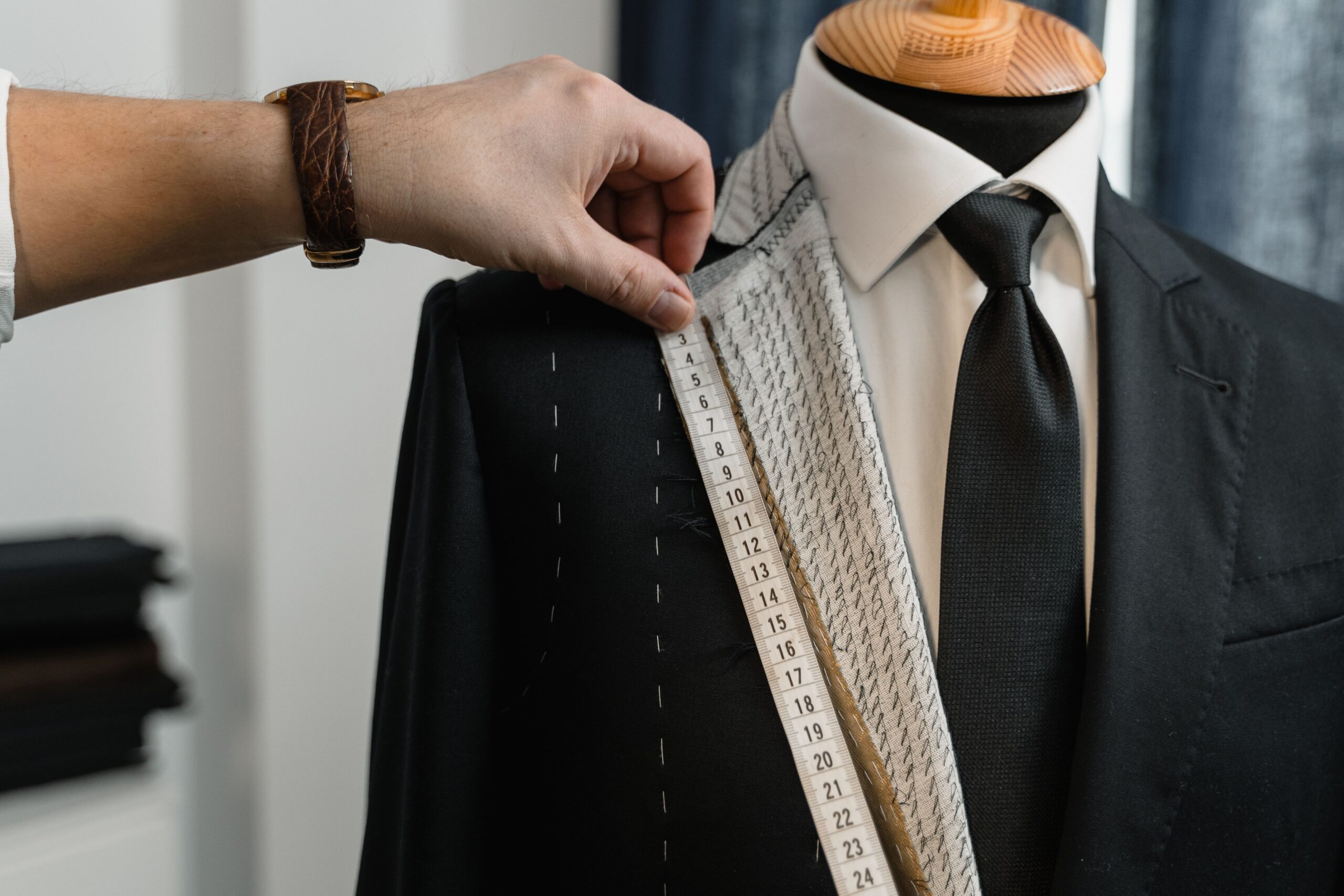
Bring the shoes, underlayers or other clothing you expect to wear with the piece. Stand naturally rather than adopting a posture you cannot maintain outside the fitting room. Describe how you want the garment to feel and show where it bothers you. A reference photograph can communicate a preference, provided you are open to discussing what translates to your garment.
Ask the tailor to explain the proposed adjustment while it is pinned. Look from the side and back as well as the front. With their guidance, sit or move enough to test how the change will work in daily life. Tell them if you prefer ease over a close fit. Neither preference should require an apology.
A useful professional opinion may be that an alteration is difficult, expensive or unlikely to achieve the result you want. Ask what limits the job and whether a simpler change would help. A willingness to explain those limits is a reason to pay attention.
Agree on the details before leaving
Confirm the work, the quoted price, the expected completion date and whether another fitting is included. Ask what happens if the result needs an adjustment. If there is a firm occasion date, say so at the beginning rather than at collection. Make sure both of you understand whether that deadline is realistic.
For a first appointment, consider starting with one straightforward job on a garment you use often. This gives you a chance to assess the communication, timing and finish before entrusting a particularly valuable or sentimental piece. Keep a receipt or written record of the agreed work.
Judge the result on your body
Try the garment on before taking it home, preferably with the same supporting clothes you brought to the fitting. Check the agreed changes and repeat the movements that mattered. Look at the finish, but also ask whether you now want to wear the piece. A beautifully executed adjustment that misses your preference still needs a conversation.
Be specific about any concern and give the tailor an opportunity to assess it. When the work succeeds, remember what made the process easy. Over time, a shared understanding of your preferred lengths, proportions and comfort can make future appointments simpler. That familiarity is one of the quiet pleasures of working with a skilled craftsperson.

